



Self-test

Strep A
£9.99
An at-home test to detect group A streptococcus (strep A) bacteria, which can cause strep throat and other infections including scarlet fever, abscesses and pneumonia.
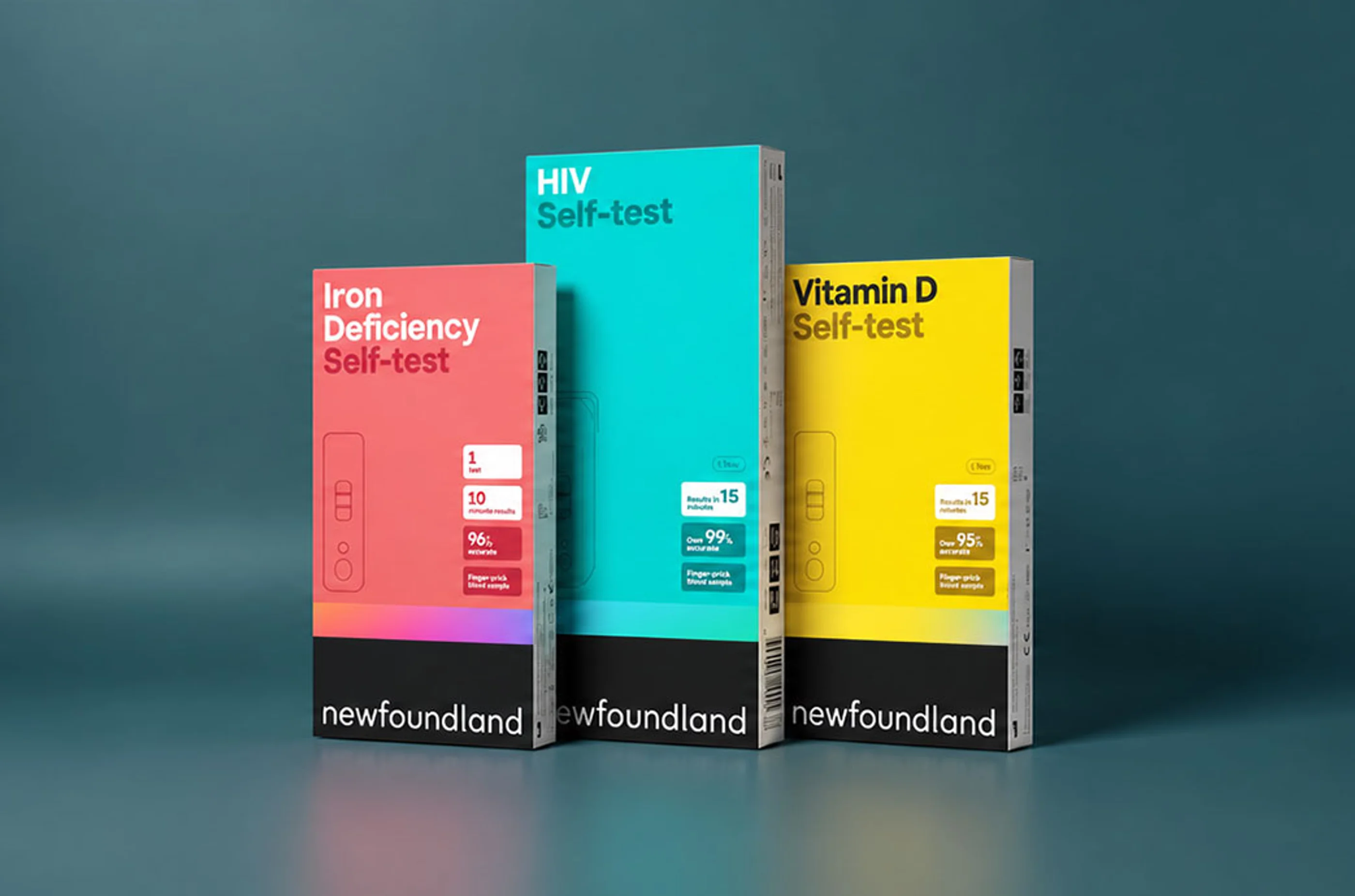

Know your body. Test at home, get results fast - no appointment needed.
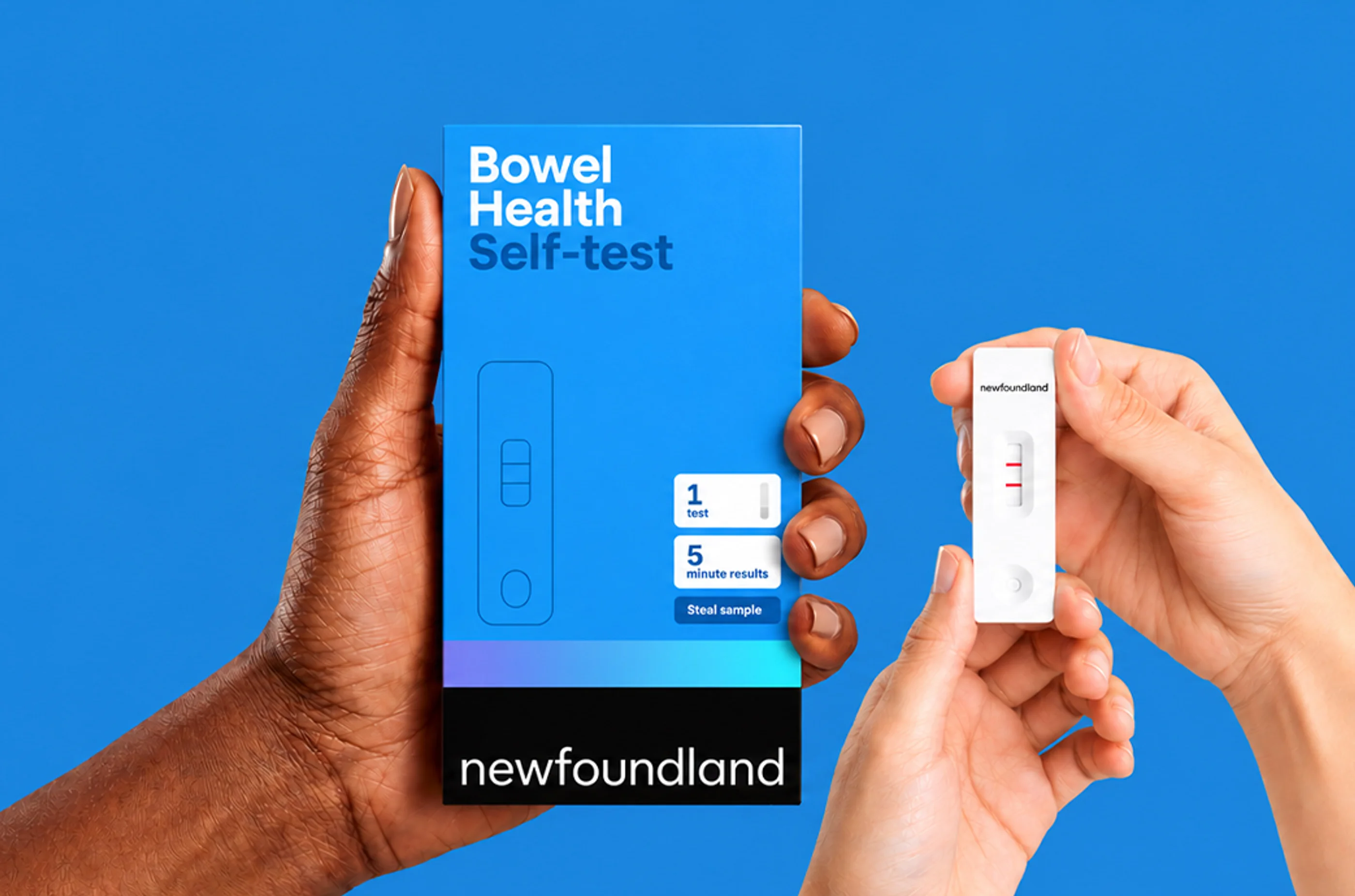
One small test. One less thing to worry about.
An at-home test to detect group A streptococcus (strep A) bacteria, which can cause strep throat and other infections including scarlet fever, abscesses and pneumonia.

The HIV Test helps determine if someone is infected with HIV-1 or HIV-2 by using a small drop of blood collected from a finger prick. The test only needs a tiny sample, about the size of a small drop (10 microliters).
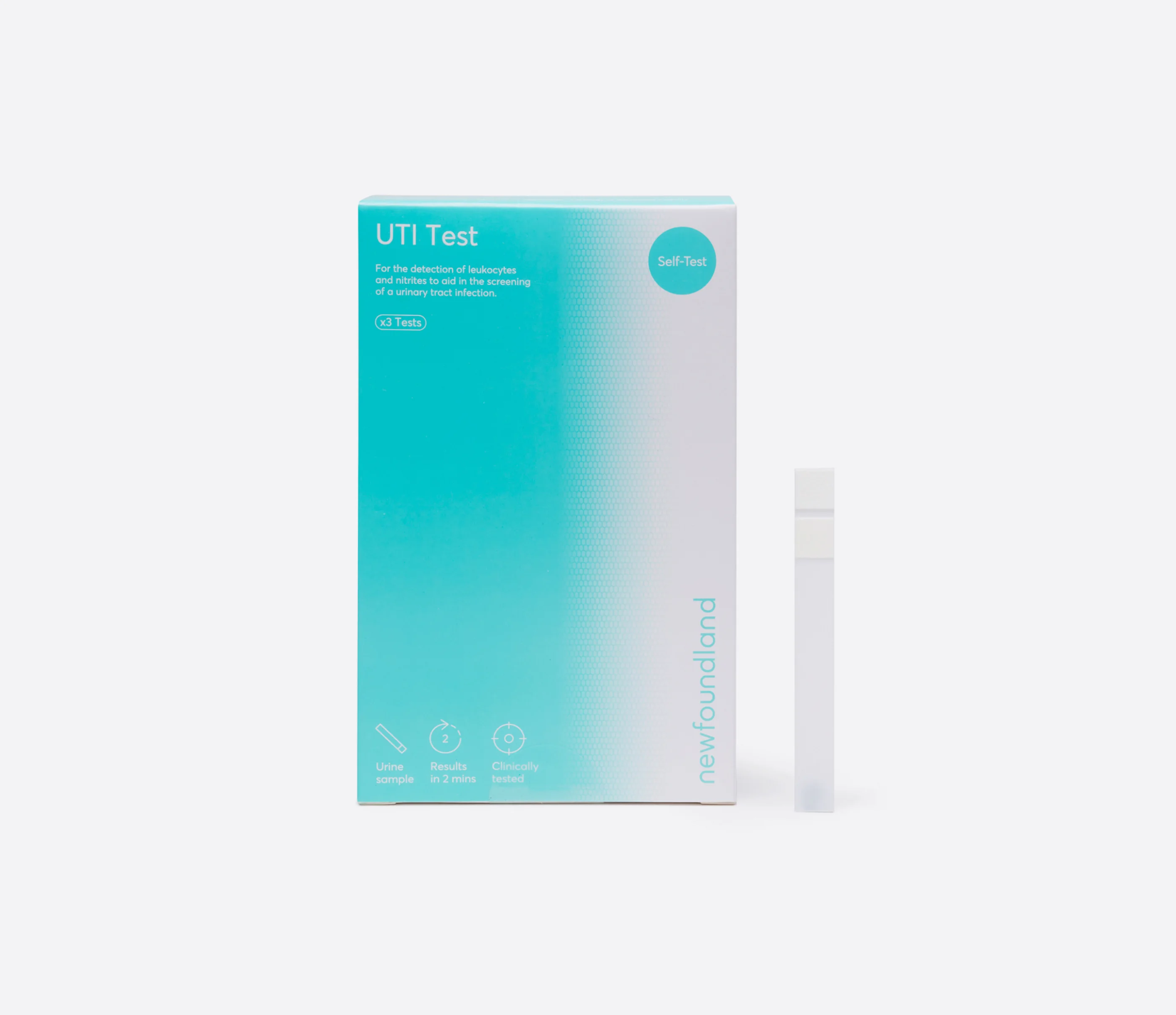
An at-home test to detect leukocytes (LEU) and nitrites (NIT) in urine to screen for a Urinary Tract Infection (UTI).

An at-home test to aid the diagnosis of common vaginal infections including bacterial vaginosis (BV) and thrush.

An at-home test to detect and differentiate between COVID-19 and flu.
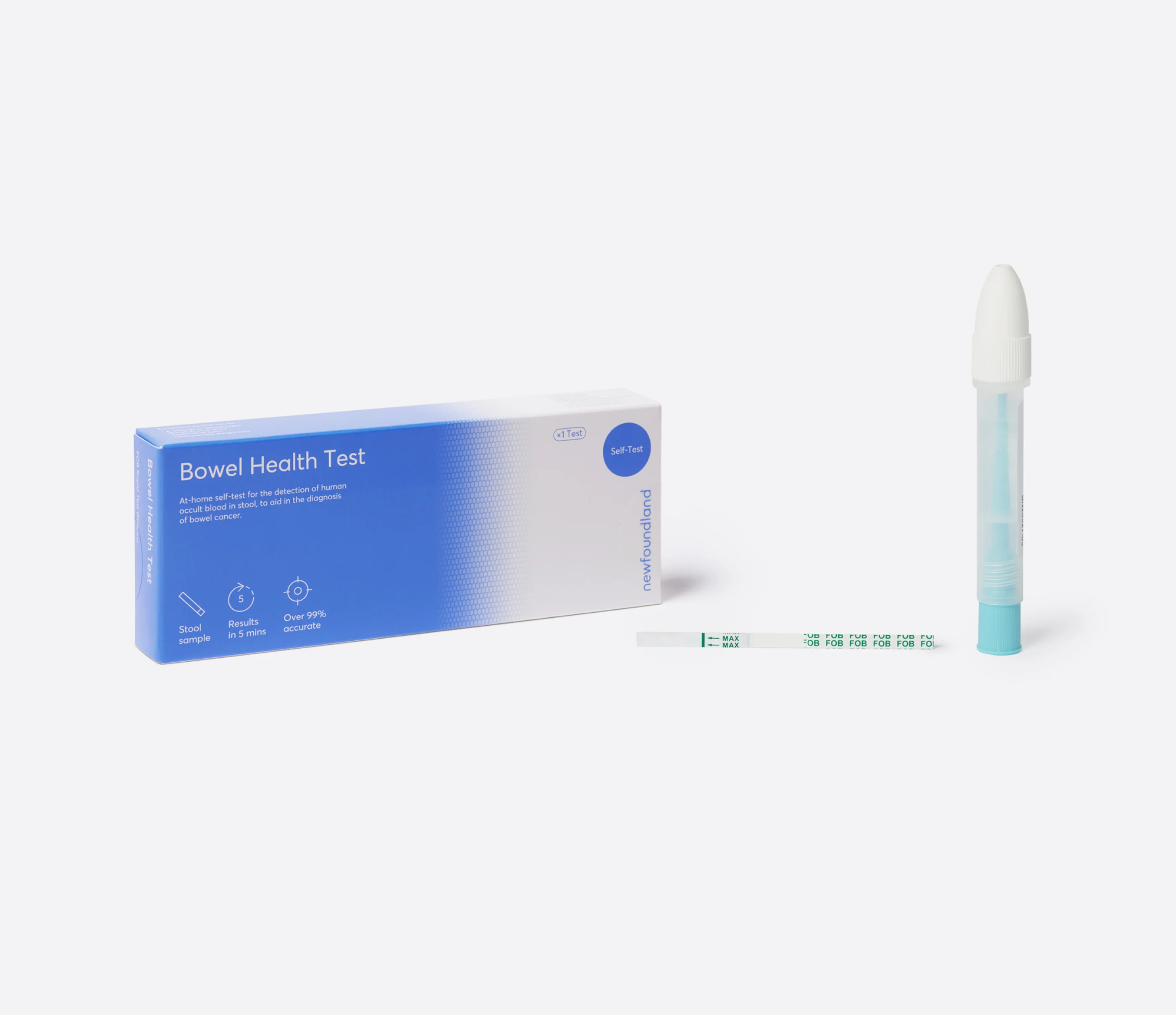
A FIT (Faecal Immunochemical Test) test to detect occult (hidden) blood in stool samples. Blood in stool can be an early sign of bowel cancer or other conditions such as polyps.

An at-home test to measure the level of prostate-specific antigen (PSA) in your blood. The Newfoundland Prostate Health Test helps screen for prostate health issues including prostate cancer, benign prostatic hyperplasia (BPH) and prostatitis.
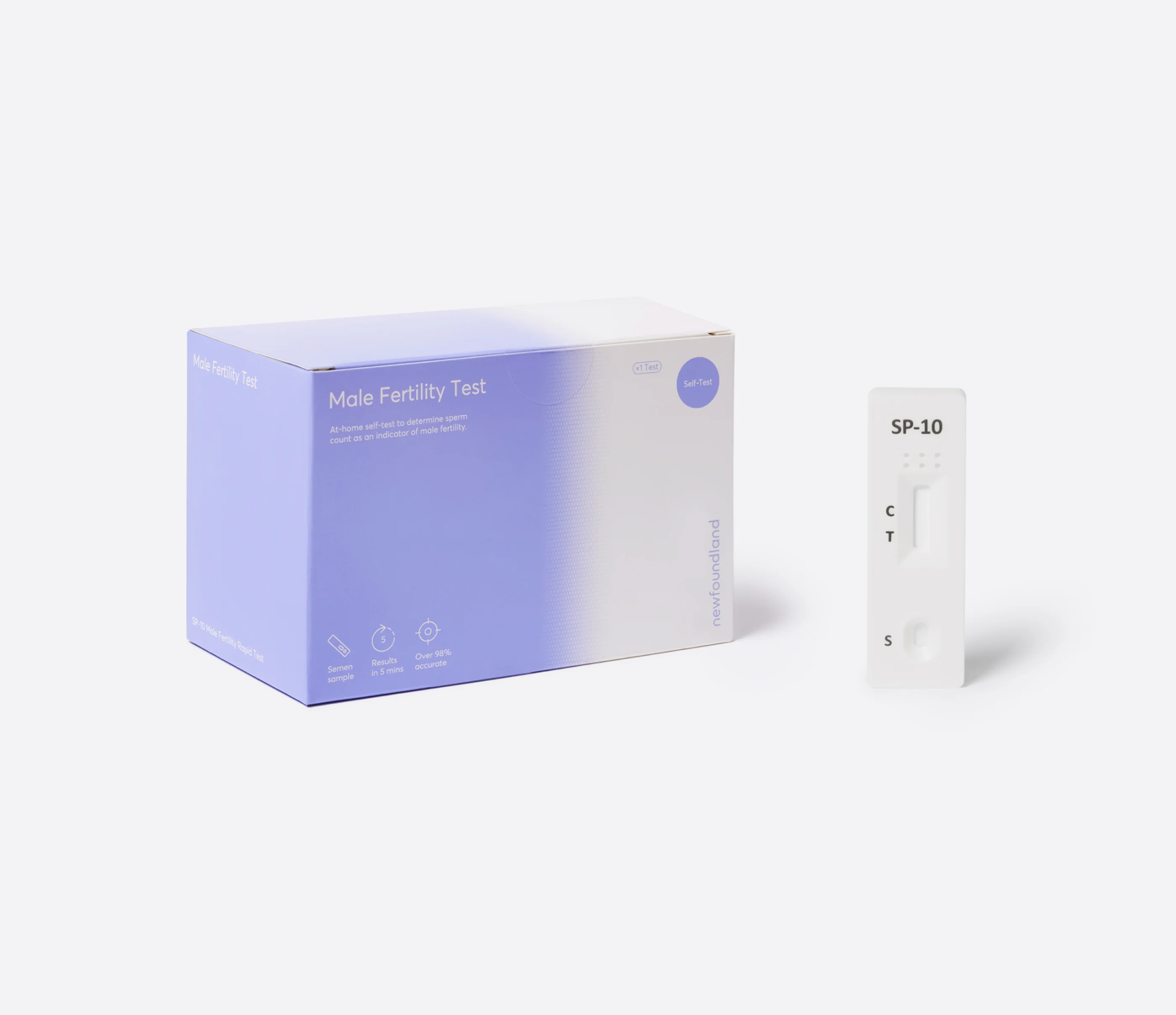
At-home self-test to determine sperm count as an indicator of male fertility.
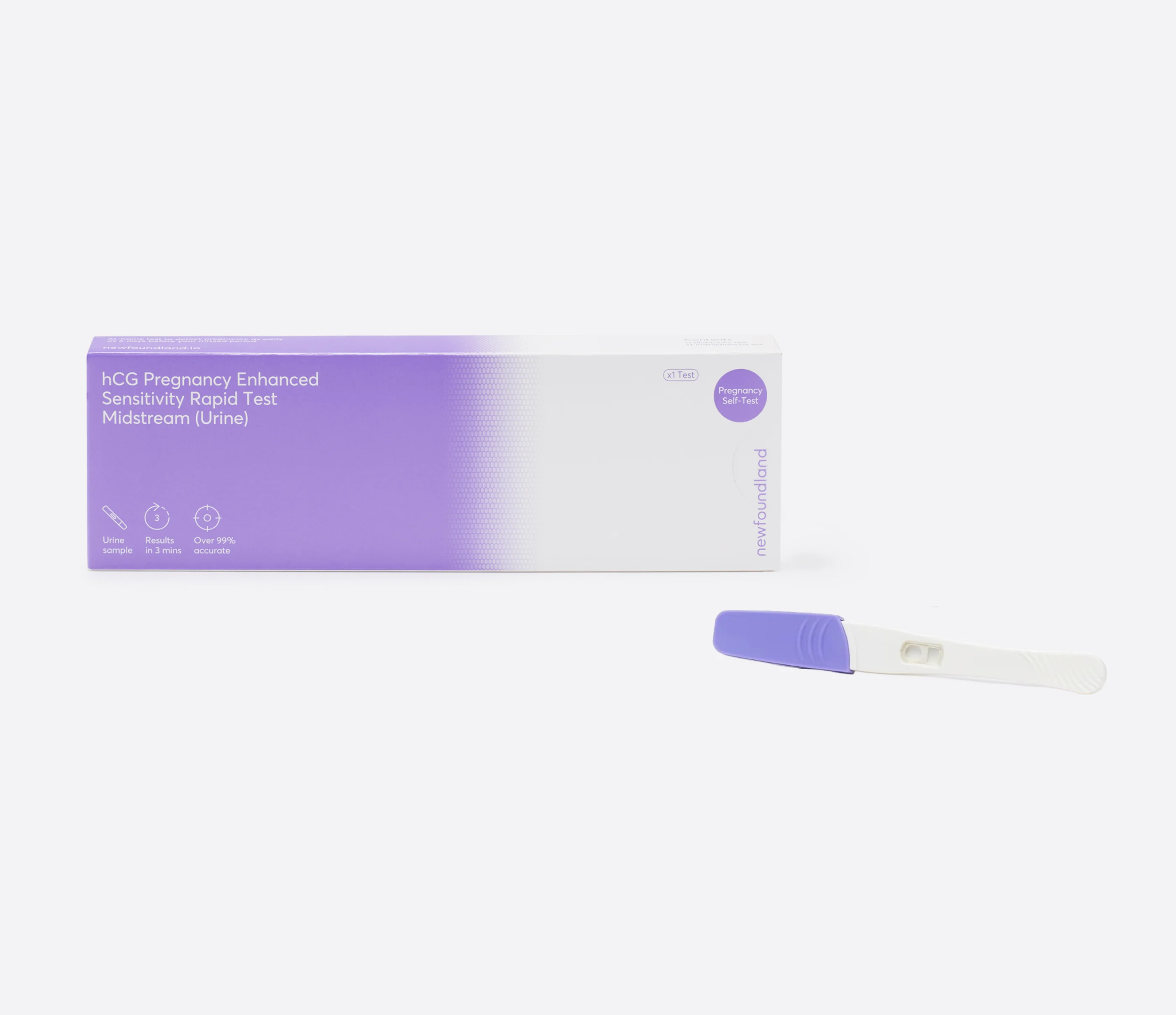
A quick and easy test to detect the hormone human chorionic gonadotropin (hCG) in urine to determine if you’re pregnant.
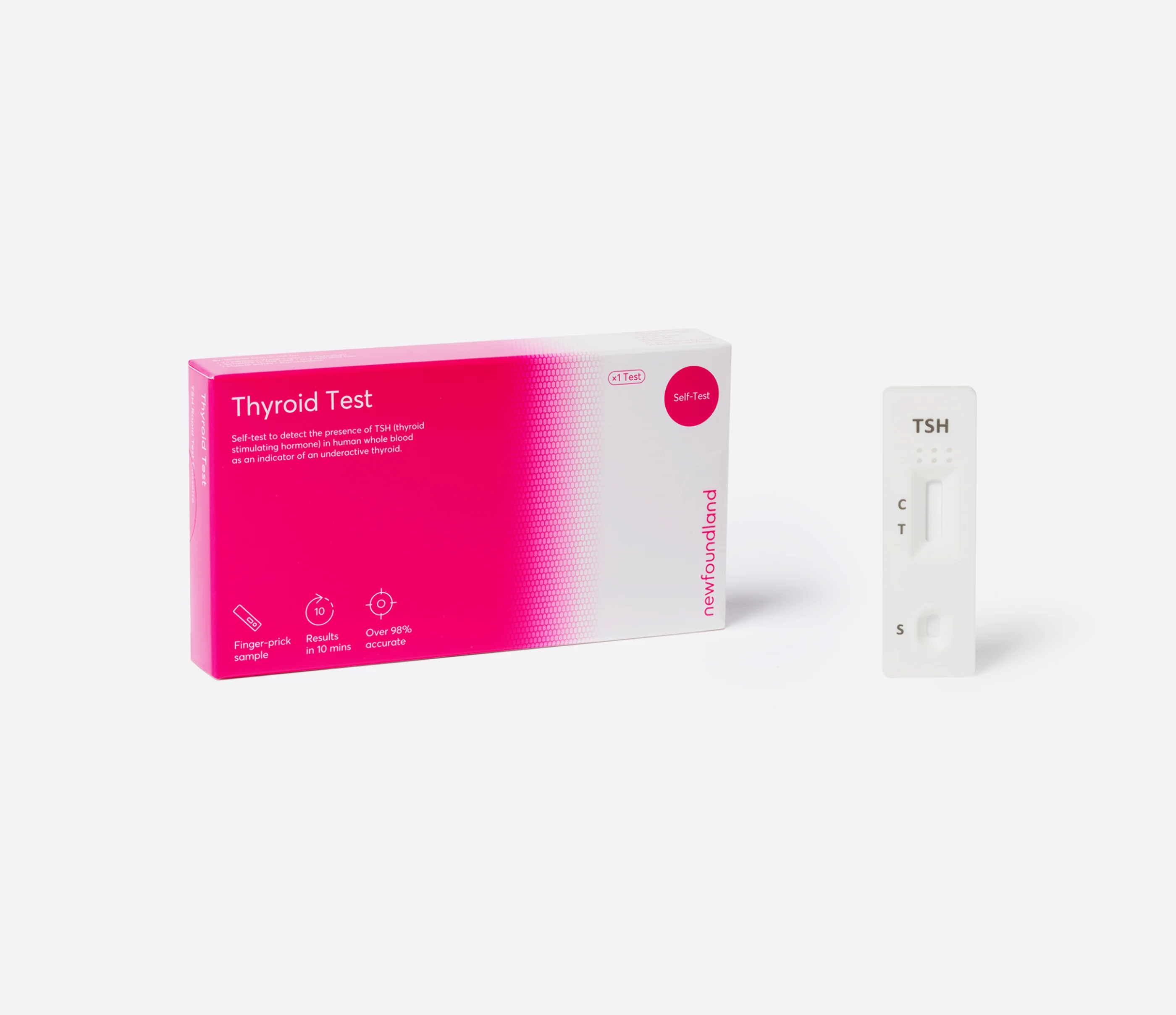
At-home self-test to detect the presence of TSH (thyroid stimulating hormone) in blood as an indicator of an underactive thyroid.

At-home self-test to detect levels of FSH (follicle-stimulating hormone) as an indicator of onset menopause.
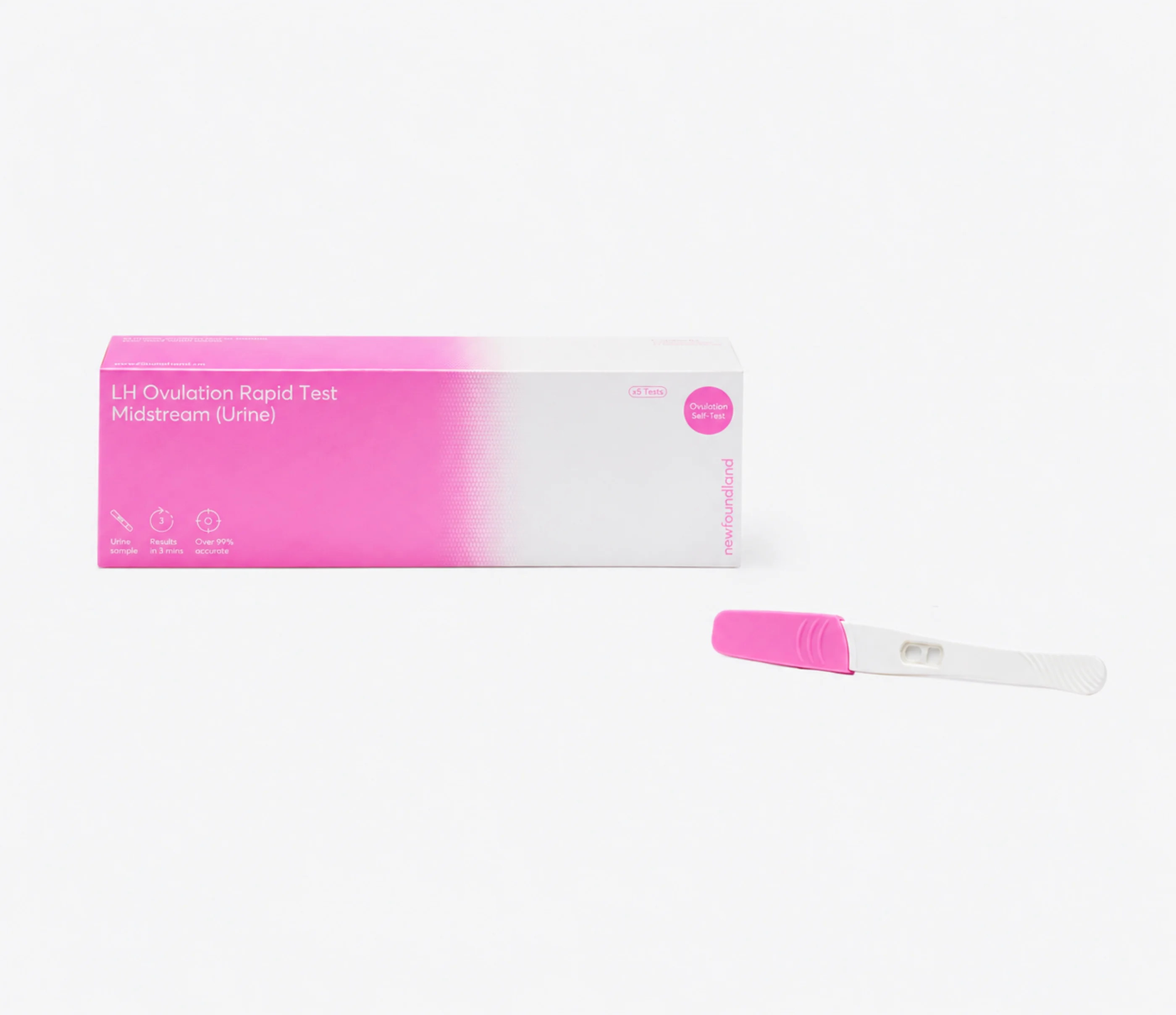
An at-home test to identify the best time to conceive by detecting a surge in luteinizing hormone (LH), which indicates that ovulation is about to occur.
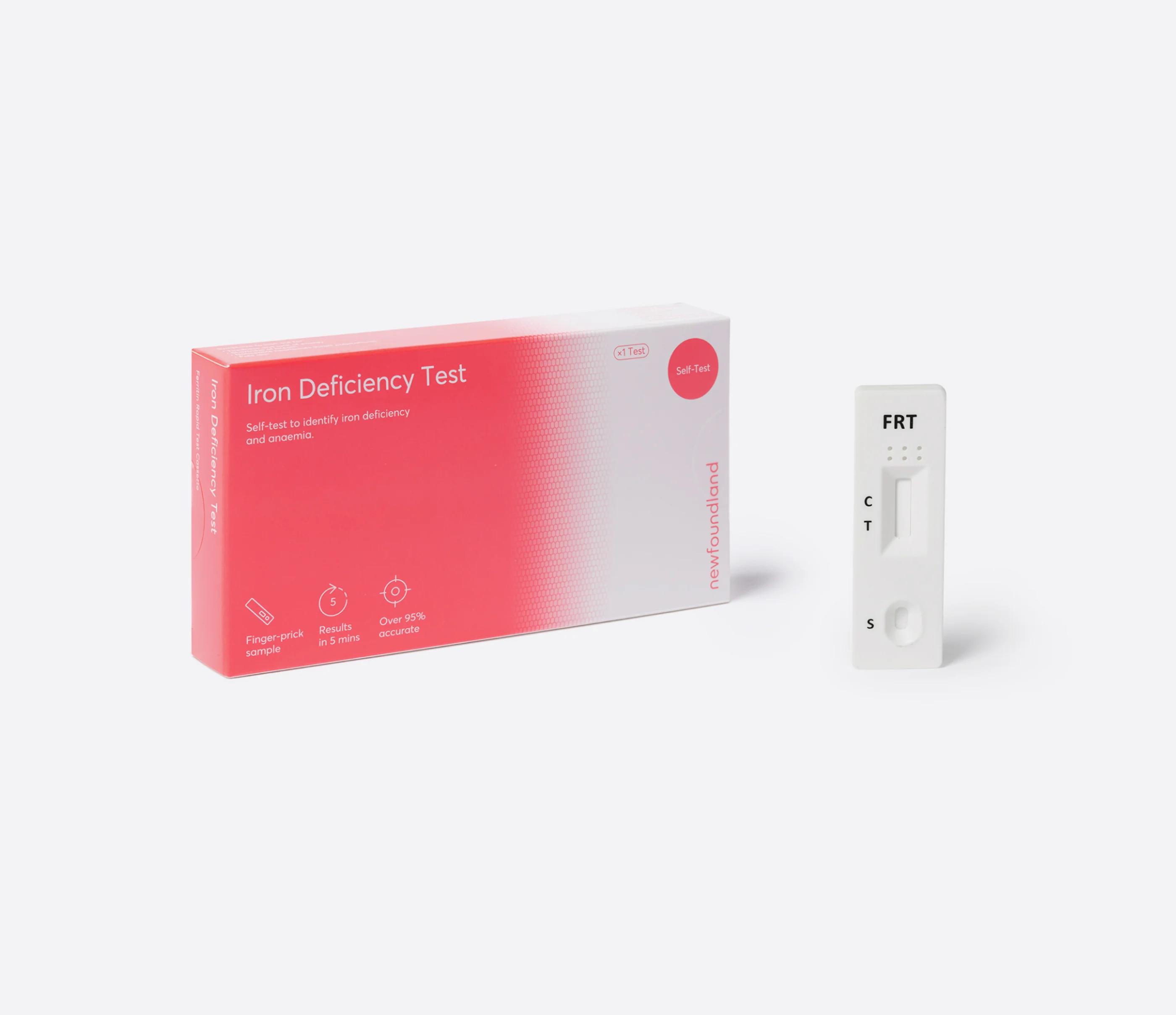
The Iron Deficiency Test is a blood test that measures the level of ferritin in your blood. Ferritin is a protein that stores iron and releases it when your body needs it. This test is used to assess your body's iron stores and help diagnose iron deficiency anaemia or other conditions related to abnormal iron levels.
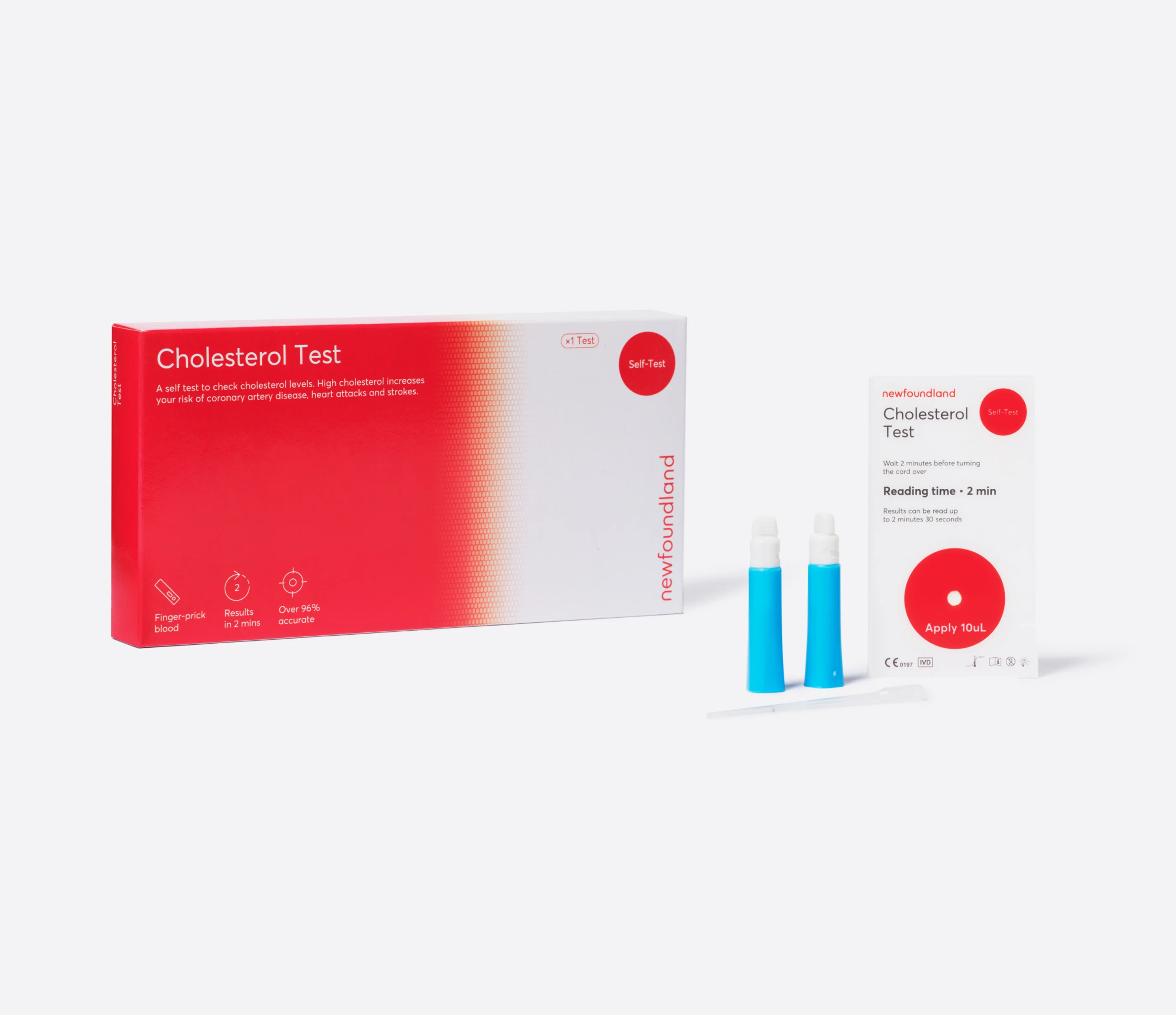
An at-home test to measure total cholesterol levels in your blood. High cholesterol increases your risk of coronary artery disease, heart attacks and strokes. The test also allows you to evaluate the effectiveness of current treatments or lifestyle changes.

An at-home self-test to detect increased levels of albumin in urine to identify chronic kidney disease (CKD).
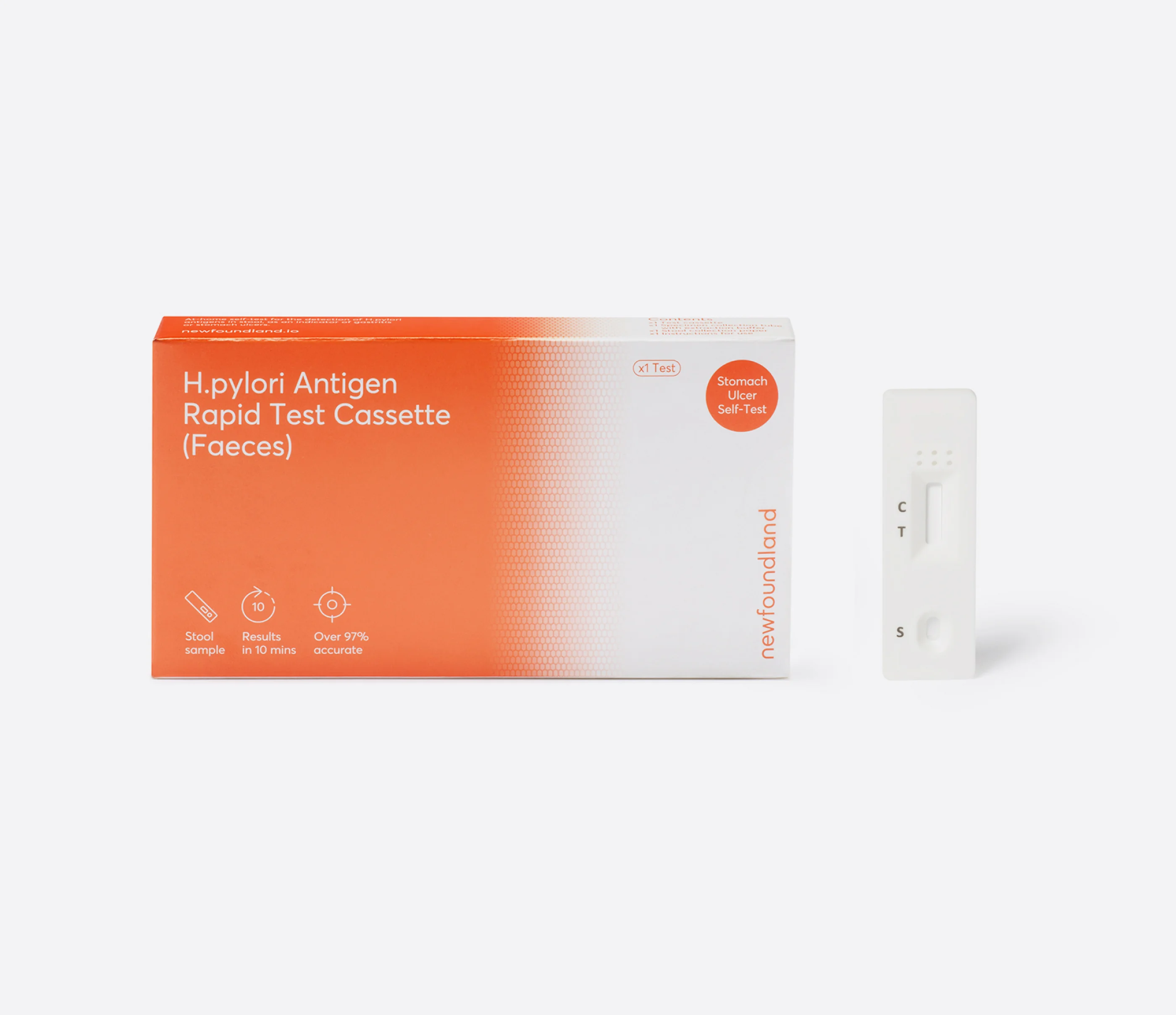
An at-home test to detect helicobacter pylori (H. pylori) in a stool sample. The presence of H. pylori in your stool indicates an active infection with H. pylori bacteria in your digestive system, which can cause stomach ulcers and inflammation.

An at-home test to screen for coeliac disease. Coeliac disease is an autoimmune disease caused by an adverse reaction to gluten consumption.

A vitamin D test measures the level of vitamin D in your blood. Vitamin D is crucial for maintaining healthy bones and supporting your immune system.
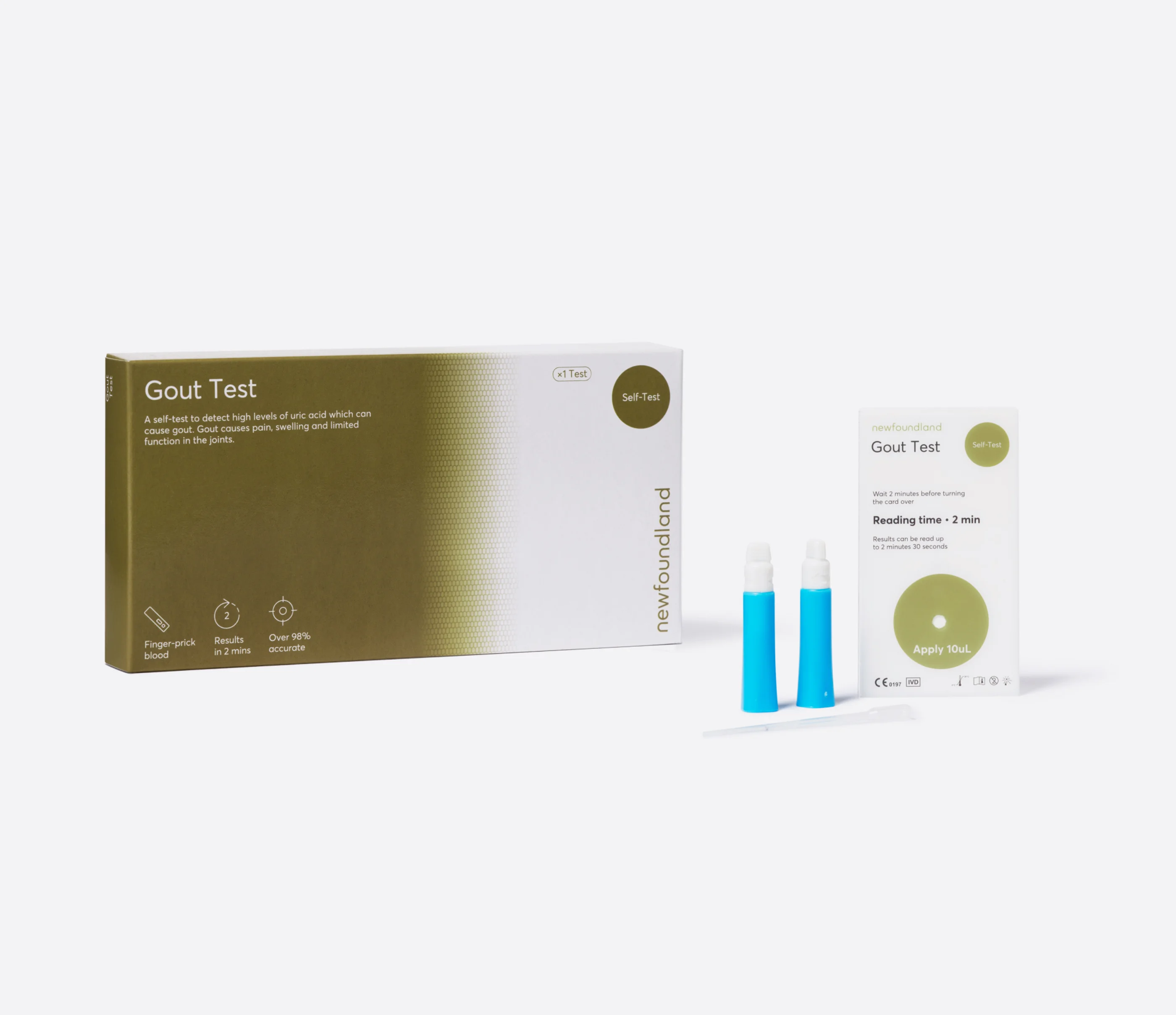
An at-home test to detect high levels of uric acid in blood which can cause gout. Gout is the most common form of inflammatory arthritis, resulting in pain, swelling and limited function in the joints.
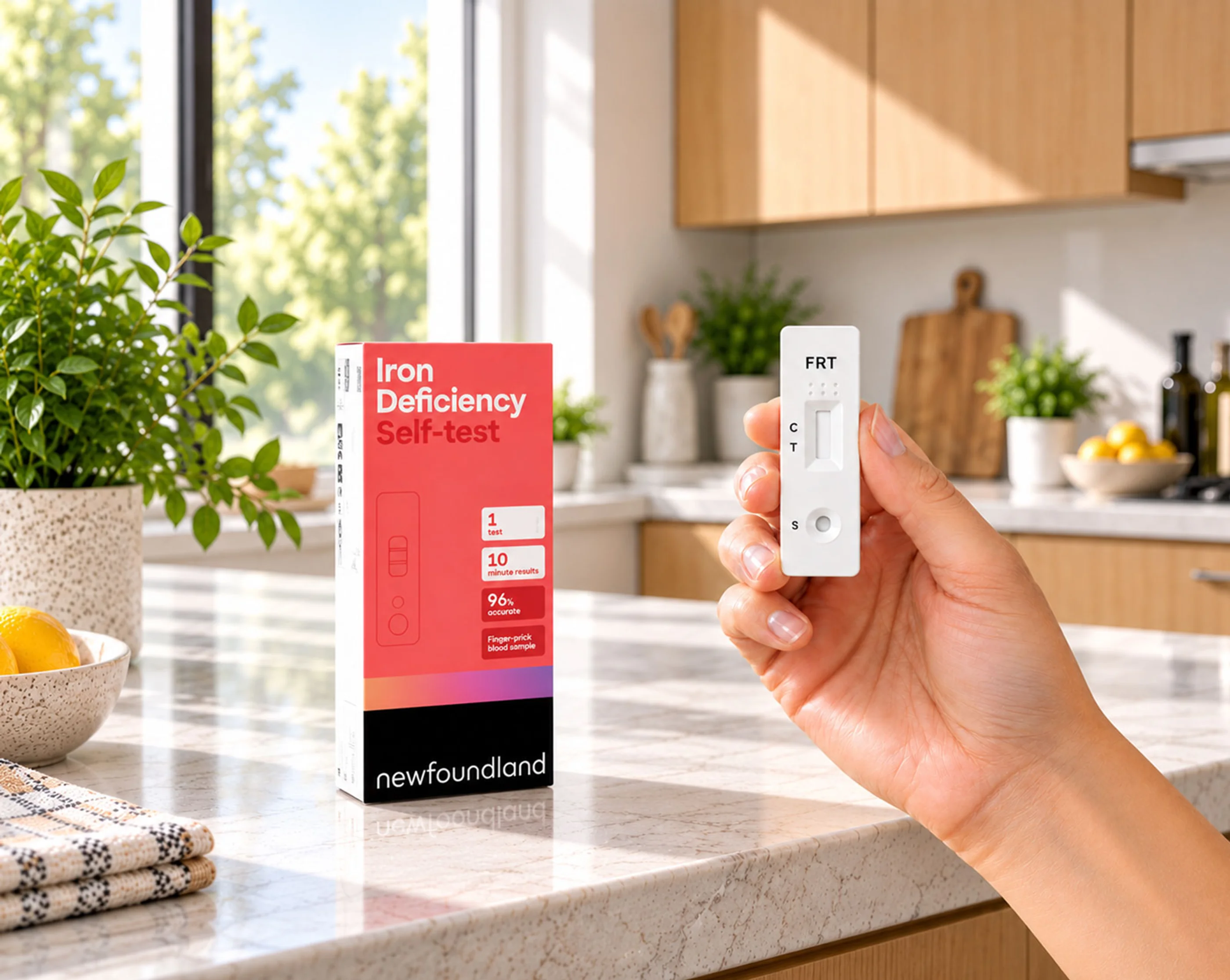

Know more about what’s happening inside your body. Our easy-to-use self-tests give you simple, reliable health insights from the comfort of home — helping you understand your health and take action sooner.
At-home testing made simple - accurate results in minutes, not days.


Appointments with a doctor from £59
Available 24/7, 365 days a year
Speak over call, via video call or in person




Trusted by leading companies and global organisations who depend on quality and reliability.