

Self-testBest seller
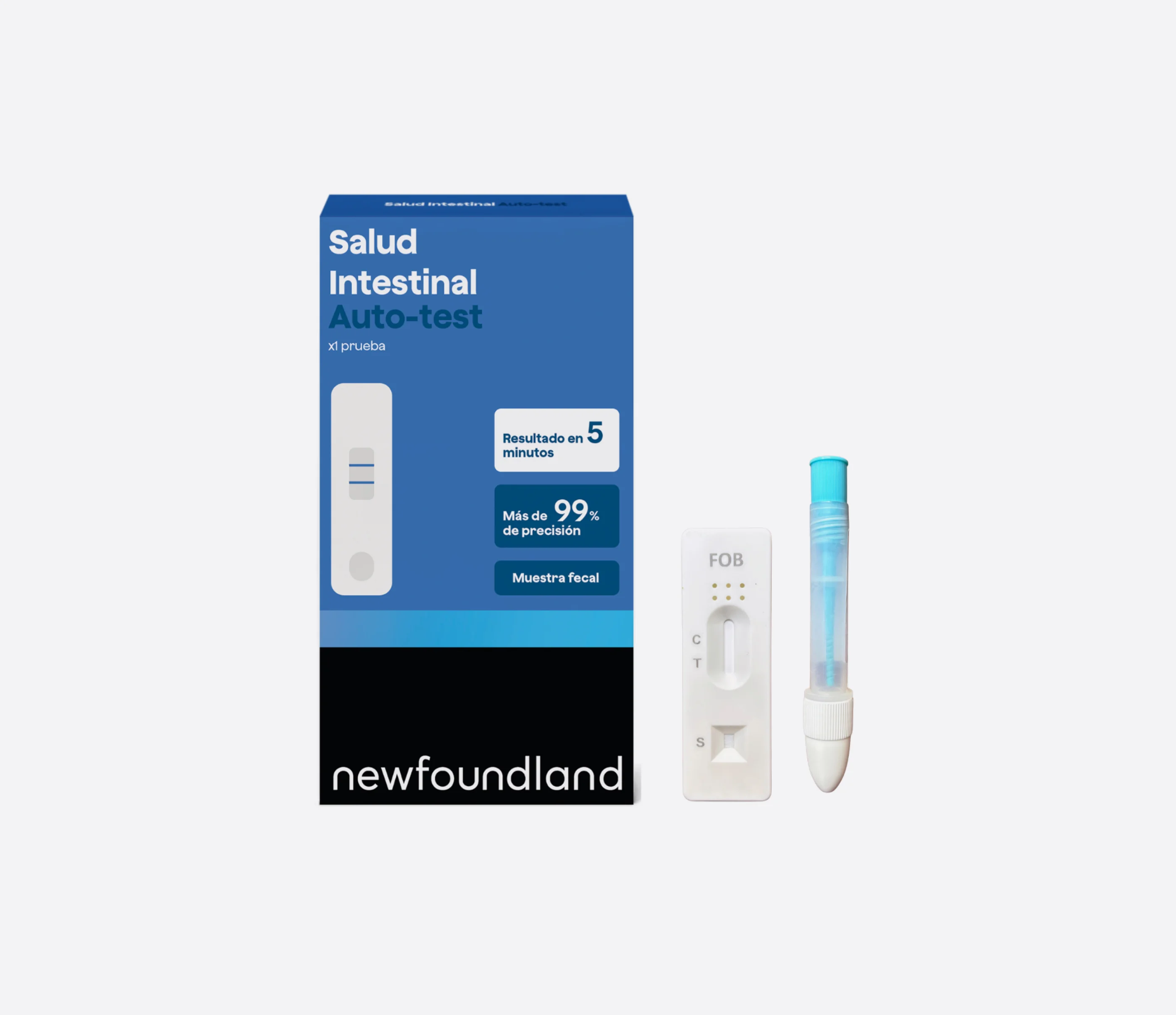
Salud intestinal (FOB)
COP 58,500
A FIT (Faecal Immunochemical Test) test to detect occult (hidden) blood in stool samples. Blood in stool can be an early sign of bowel cancer or other conditions such as polyps.
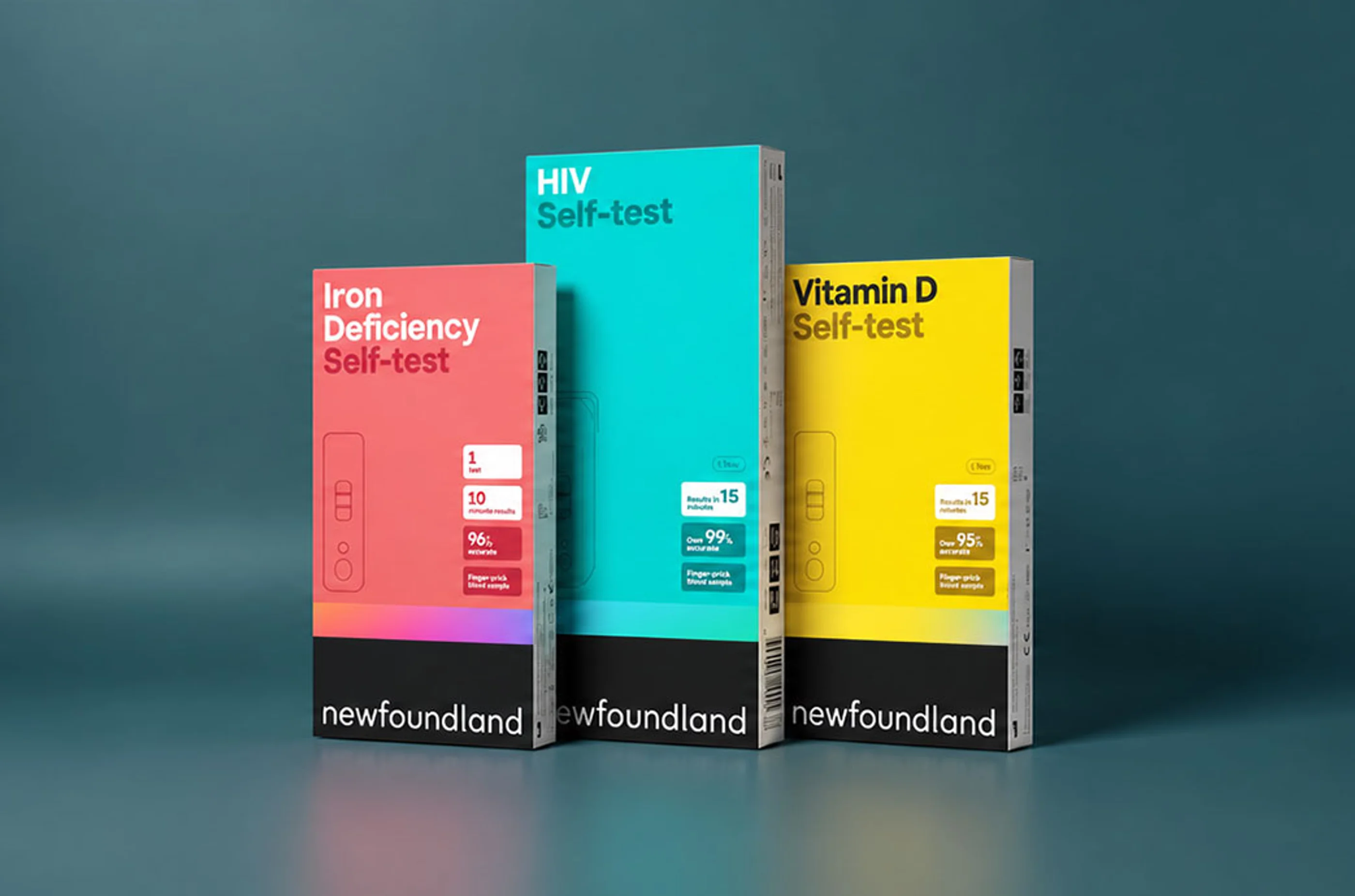
Conoce tu cuerpo. Hazte la prueba en casa y obtén resultados rápidos, sin necesidad de cita.
A FIT (Faecal Immunochemical Test) test to detect occult (hidden) blood in stool samples. Blood in stool can be an early sign of bowel cancer or other conditions such as polyps.
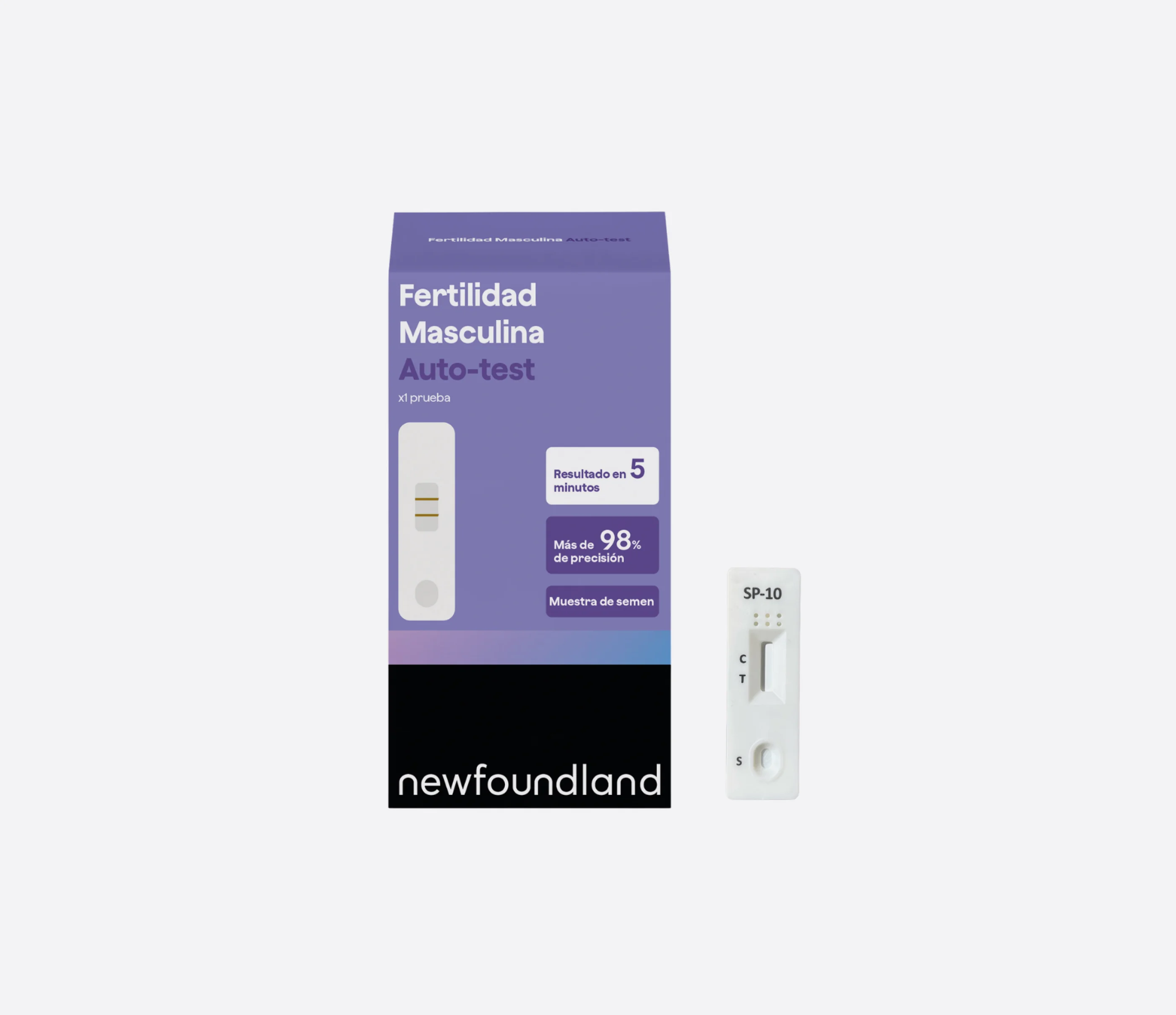
At-home self-test to determine sperm count as an indicator of male fertility.
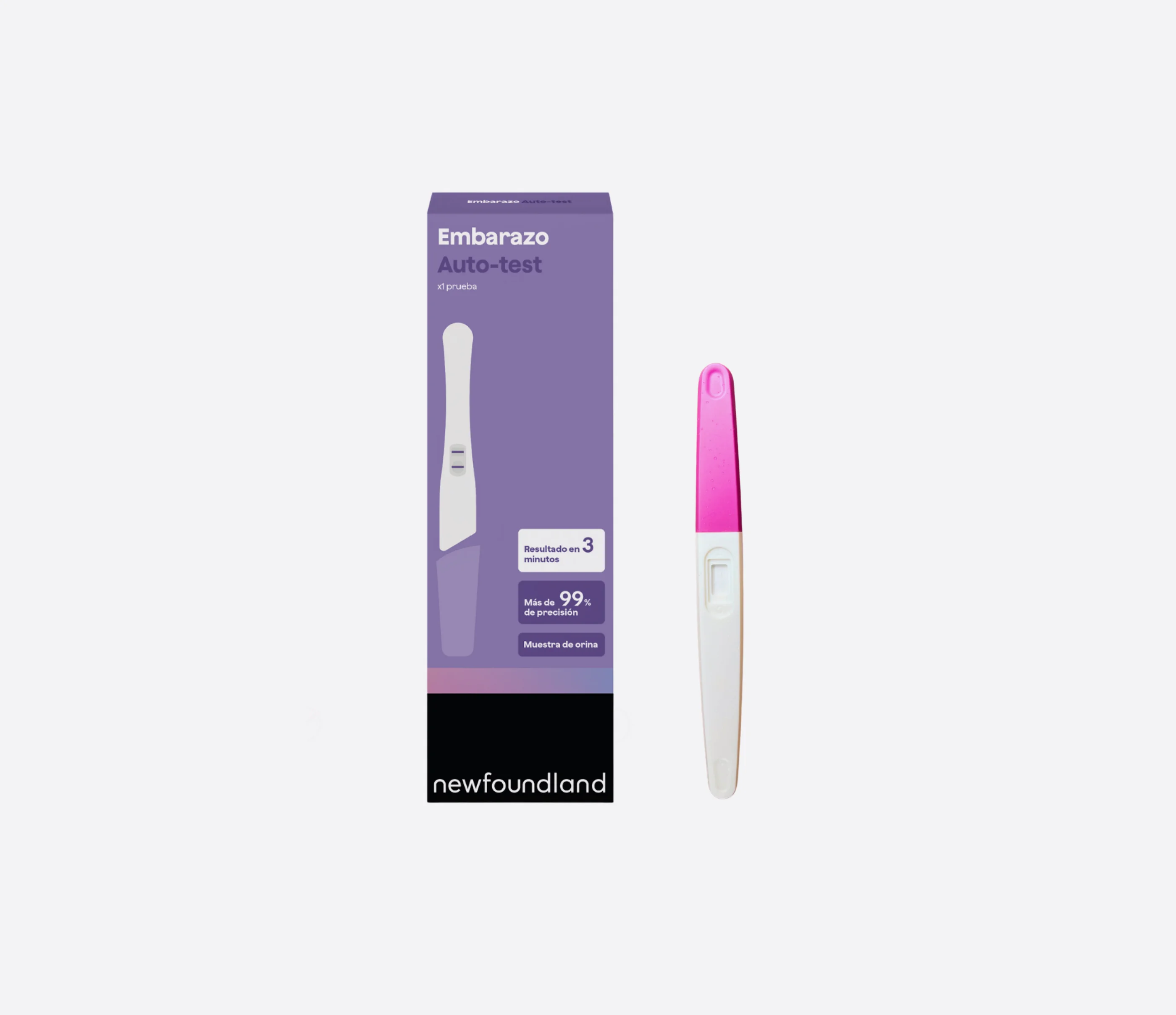
A quick and easy test to detect the hormone human chorionic gonadotropin (hCG) in urine to determine if you’re pregnant.
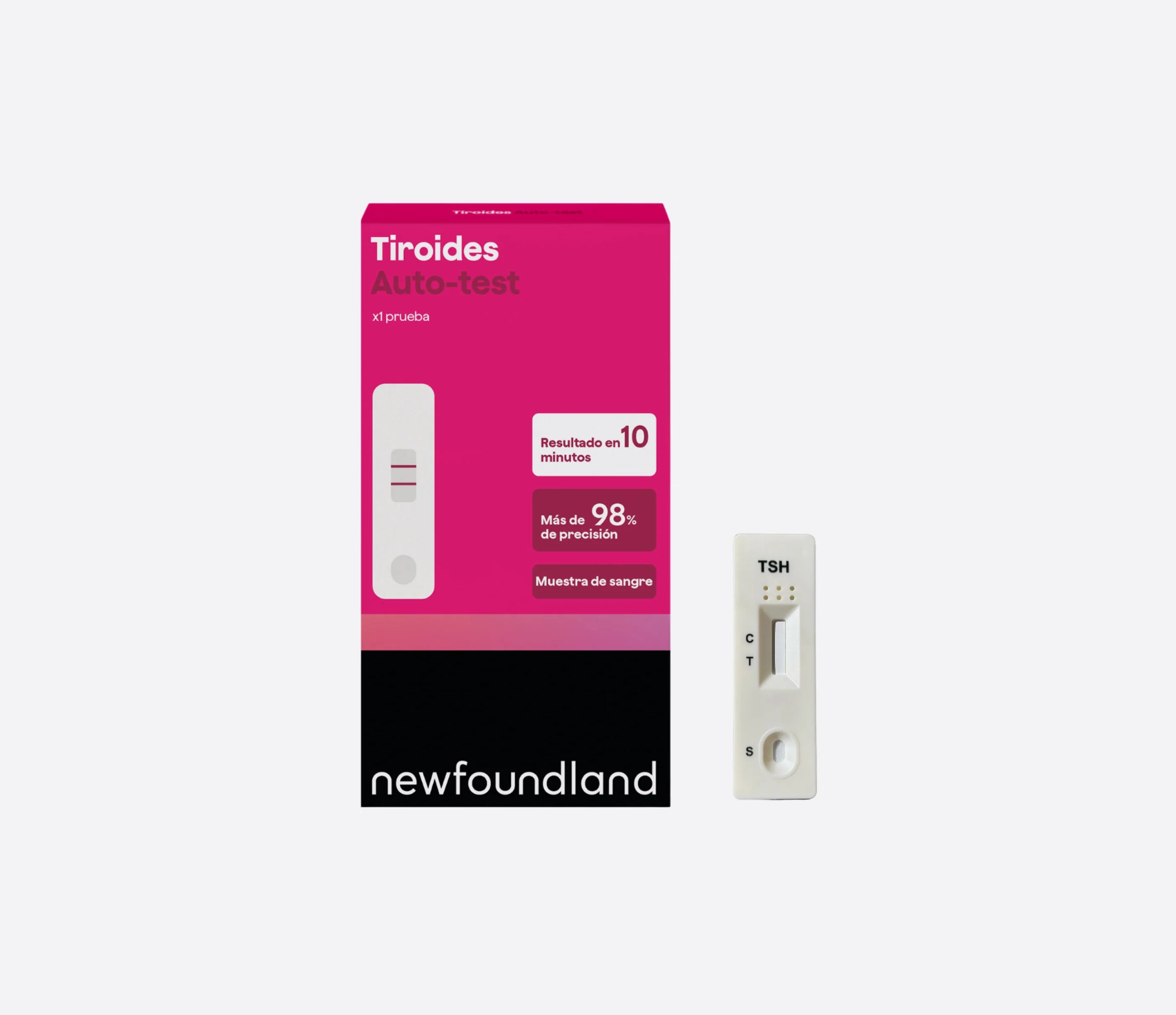
At-home self-test to detect the presence of TSH (thyroid stimulating hormone) in blood as an indicator of an underactive thyroid.
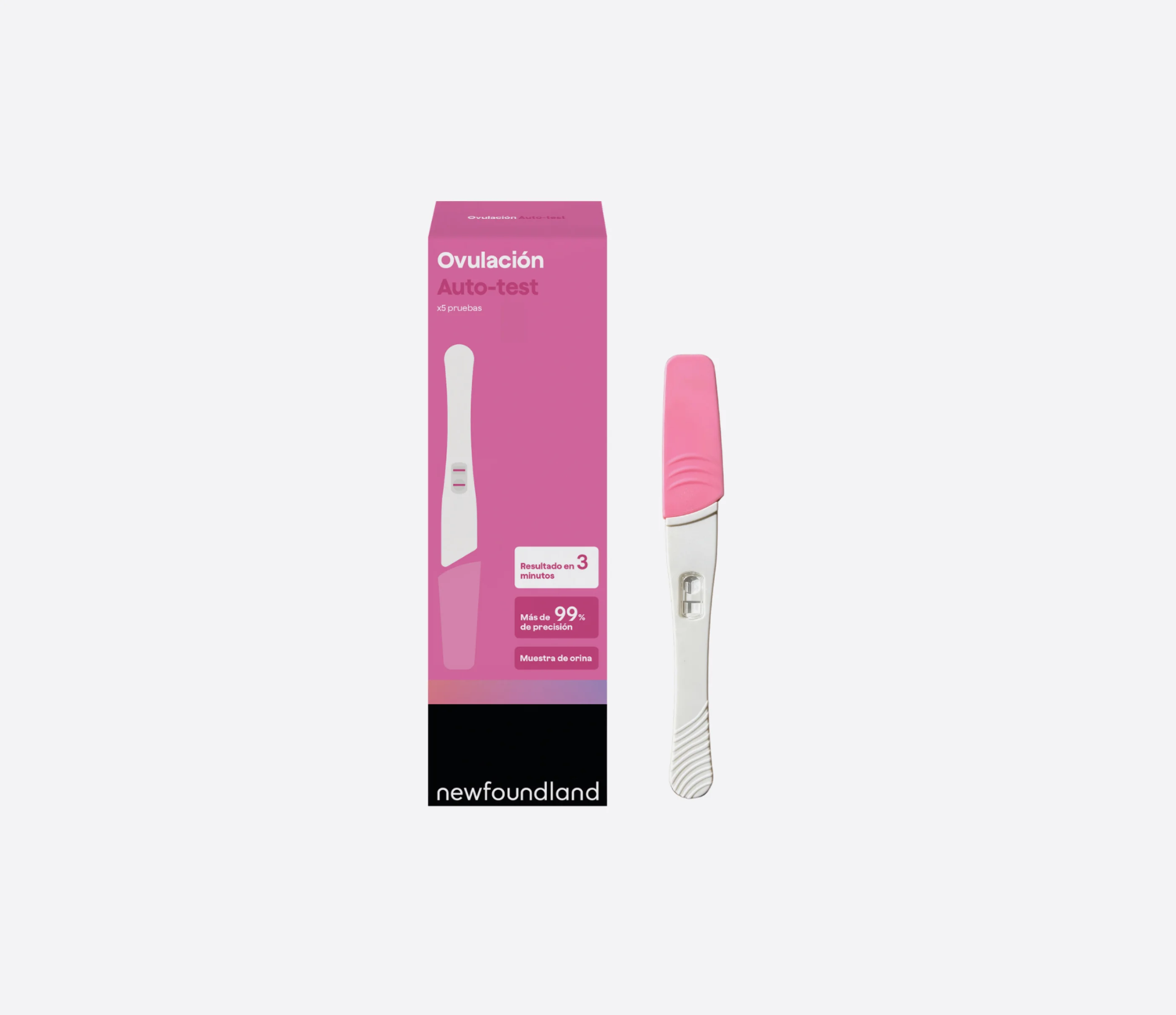
An at-home test to identify the best time to conceive by detecting a surge in luteinizing hormone (LH), which indicates that ovulation is about to occur.
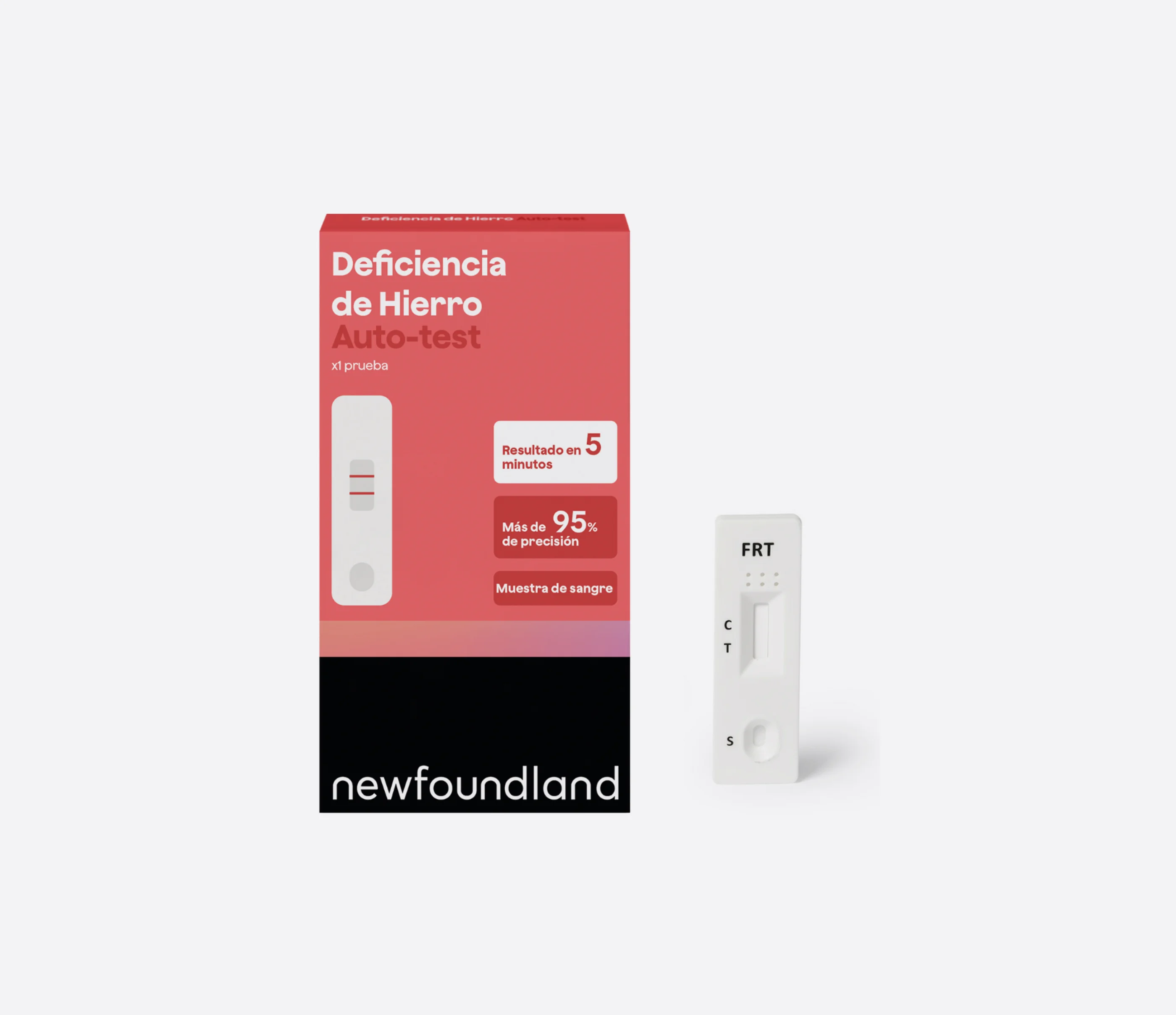
The Iron Deficiency Test is a blood test that measures the level of ferritin in your blood. Ferritin is a protein that stores iron and releases it when your body needs it. This test is used to assess your body's iron stores and help diagnose iron deficiency anaemia or other conditions related to abnormal iron levels.
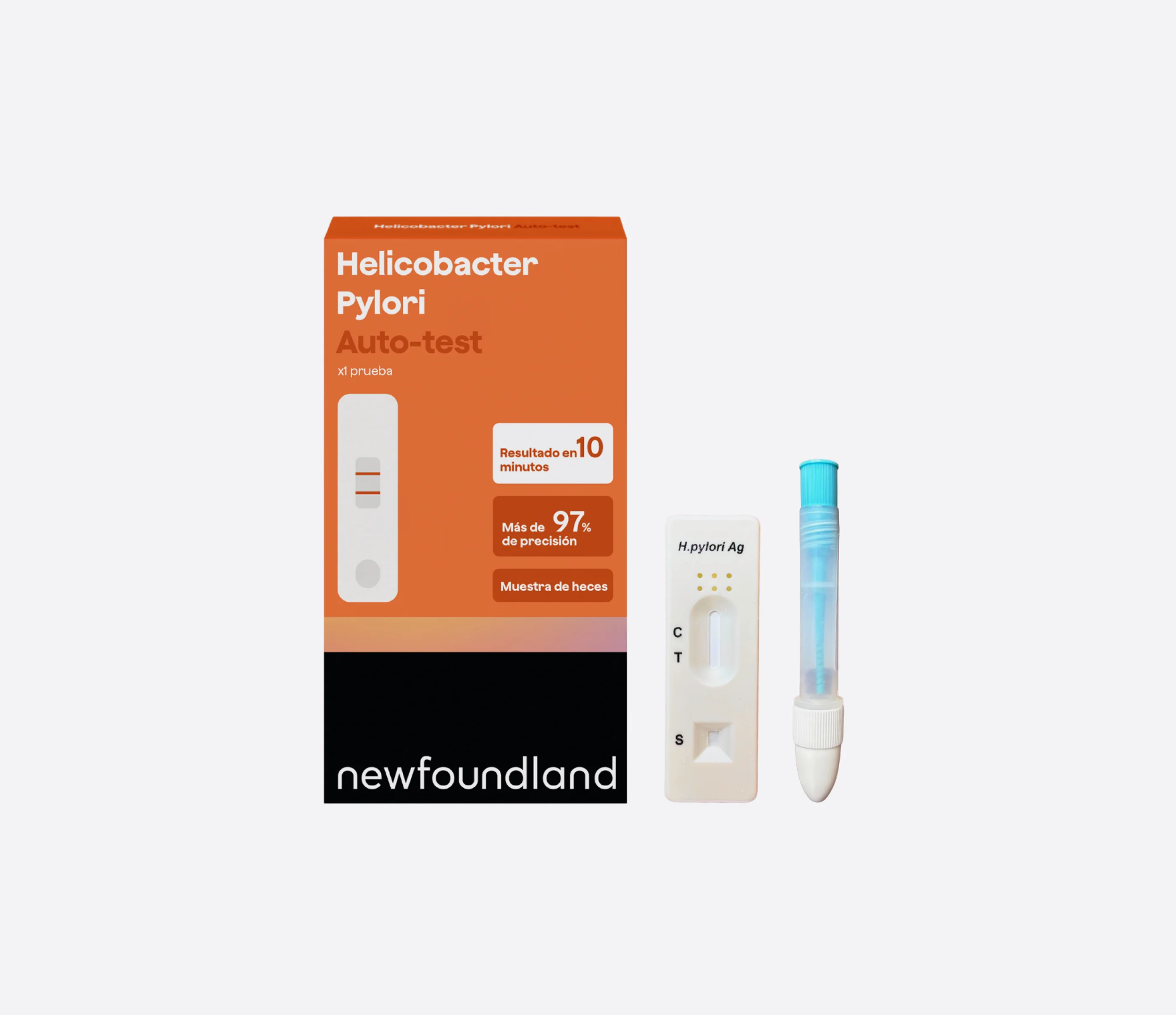
An at-home test to detect helicobacter pylori (H. pylori) in a stool sample. The presence of H. pylori in your stool indicates an active infection with H. pylori bacteria in your digestive system, which can cause stomach ulcers and inflammation.
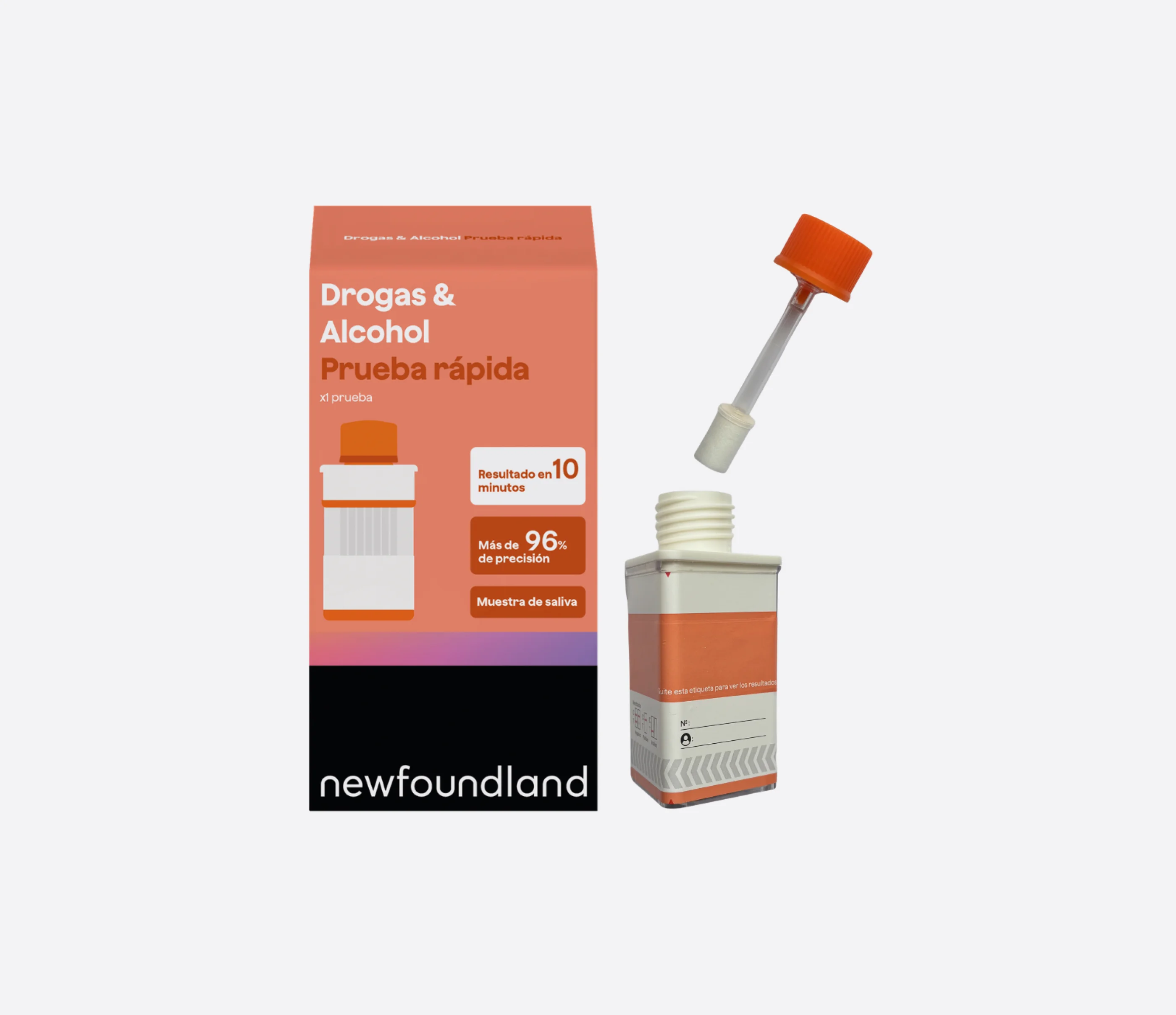
Self-test to detect common drugs in saliva, including amphetamine, cocaine, opiates, marijuana (THC), benzodiazepines, ketamine and alcohol.
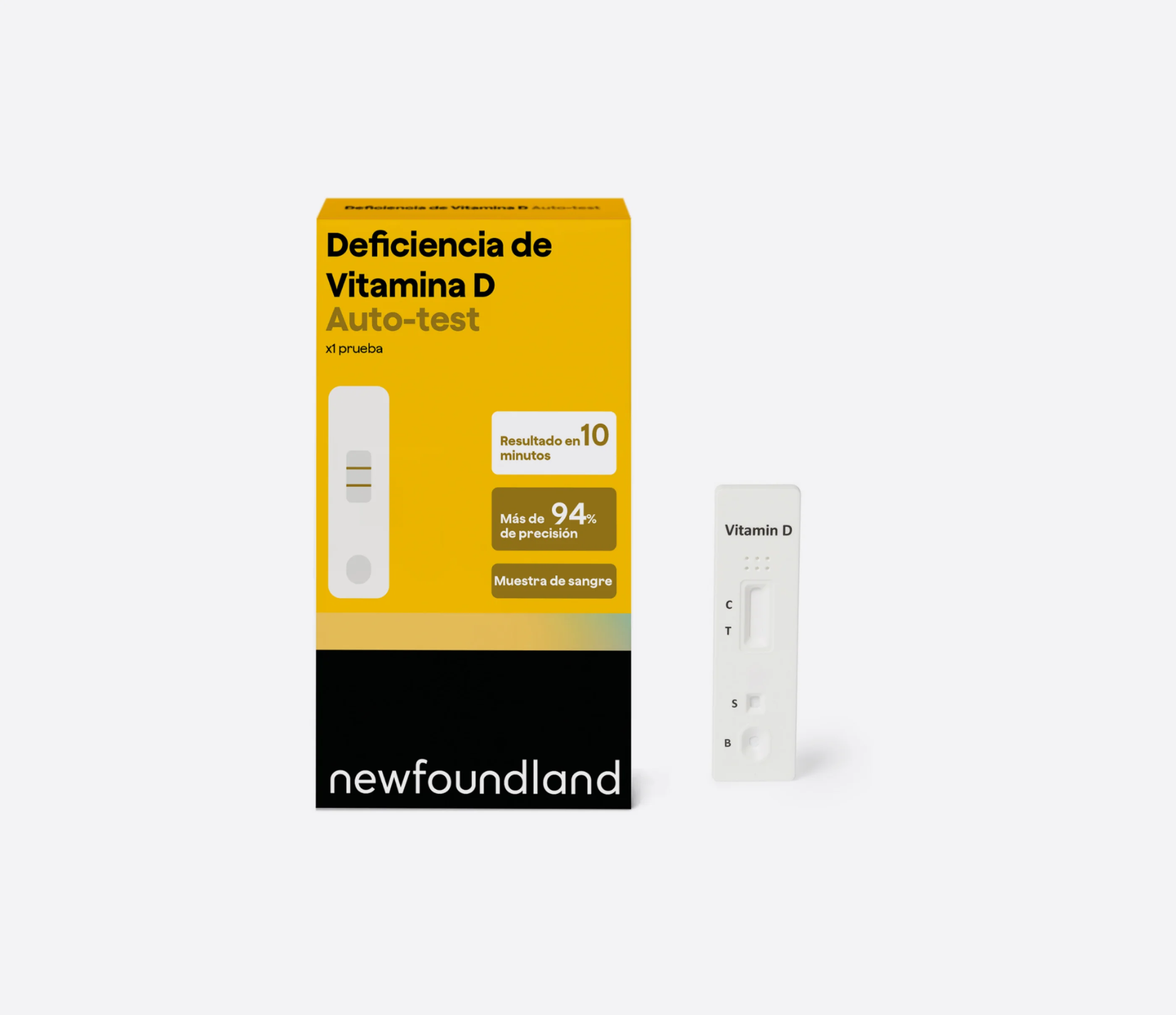
A vitamin D test measures the level of vitamin D in your blood. Vitamin D is crucial for maintaining healthy bones and supporting your immune system.